

Silly: Etymology Through Lost Innocence
Suspended between worlds
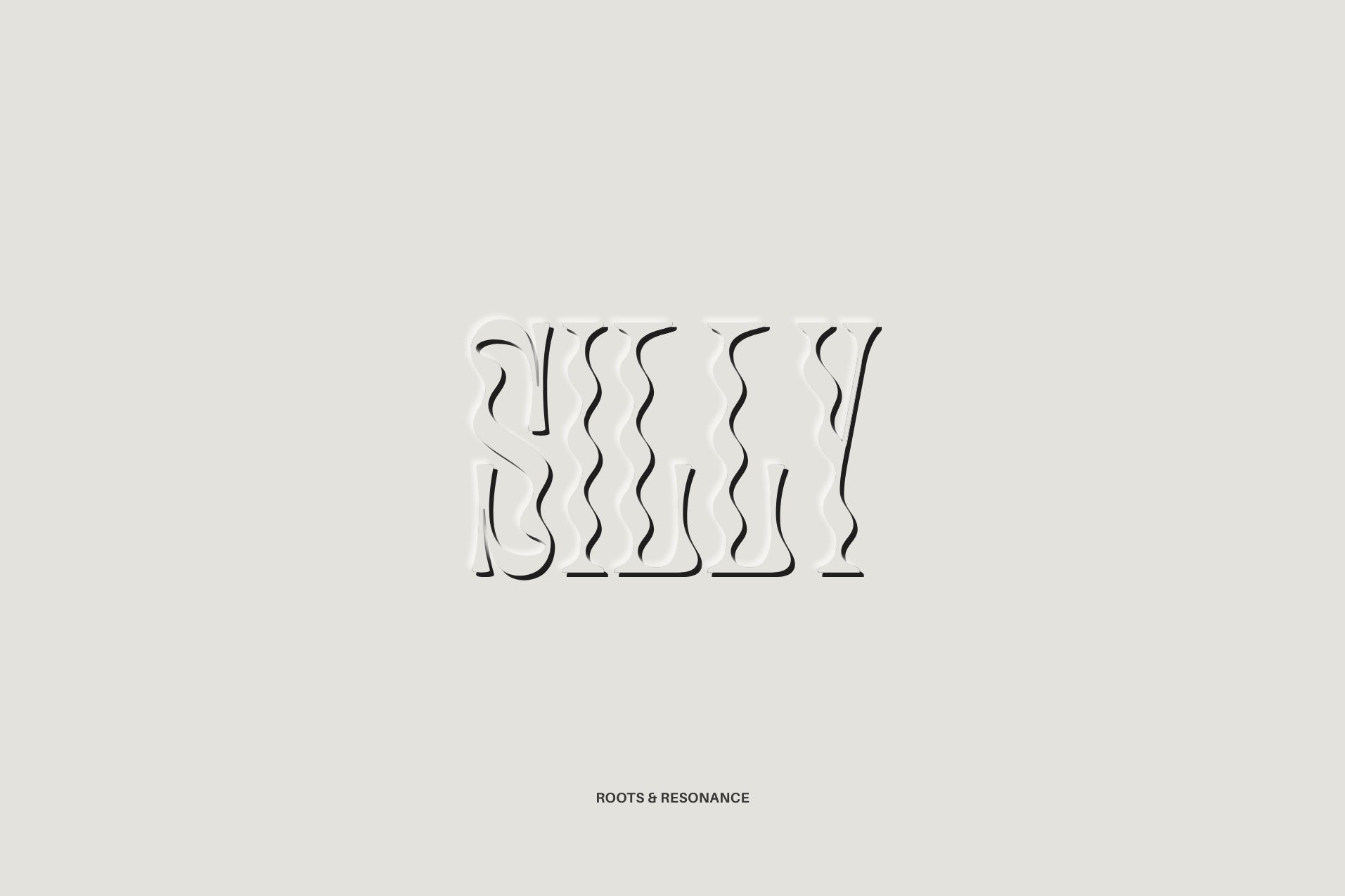
Words carry histories, sentiments, and echoes of the societies that shaped them. The word silly began as a kind of blessing, becoming a gentle mockery over time.
Looking at how it changed shows us how people have thought about innocence, vulnerability, and the ways we live with power. This is the story of silly, a word shaped by culture and carried through human experience.
silly
Etymological Drift
Old English: sǣlig—happy, fortunate, holy
Middle English: sely, silly—innocent, pitiable, powerless, defenceless
Early Modern English: unsophisticated, simple, thoughtless
Modern English: foolish, simple, unserious, asinine
The semantic path:
blessed → innocent → weak → empty-headed → ridiculous
Emotional Subtext
The evolution of silly is tied to the ways societies changed. As communities grew, became more structured, and measured, innocence began to feel fragile instead of sacred. Grace without strength was no longer admired in the same way.
Children were told to stop being silly when they moved too freely, asked too many questions, or trusted too easily. The word became a way to quiet play, curiosity, and openness.
Even so, silly survived. It lives in shared jokes, in soft refusals to perform seriousness, and in moments where people allow themselves to be unguarded. It marks moments of tenderness, vulnerability, and care.
It tells us about emotional life too. Where once the word signaled sacred innocence, now it often hints at something private and protected. It survives in places where people can be themselves, away from the pressure to be hard or careful.
Cultural Notes
Silly carries different meanings depending on context.
Gender: The word is more often tolerated in children and women, spaces where authority is close but gentle. Innocence is allowed, but closely observed.
Class: The innocent become silly. Those without experience or social polish are called unsophisticated.
Modern softness: In queer communities and close friendships, silly becomes a way to value play over performance. It’s not a dismissal but a reclaimed space where lightness and vulnerability are celebrated.
Among friends, calling someone silly can express trust, intimacy, and permission to be vulnerable without fear. It becomes a marker of care rather than judgment, a word that carries warmth and freedom.
Subtextual Question
Is silliness a refusal to calcify?
Sources
Kotthoff, H. Gender and humor: The state of the art. Journal of Pragmatics. 2006.