

Graphic Review: 'Fish and Water' by Gengoroh Tagame
The world, room by room
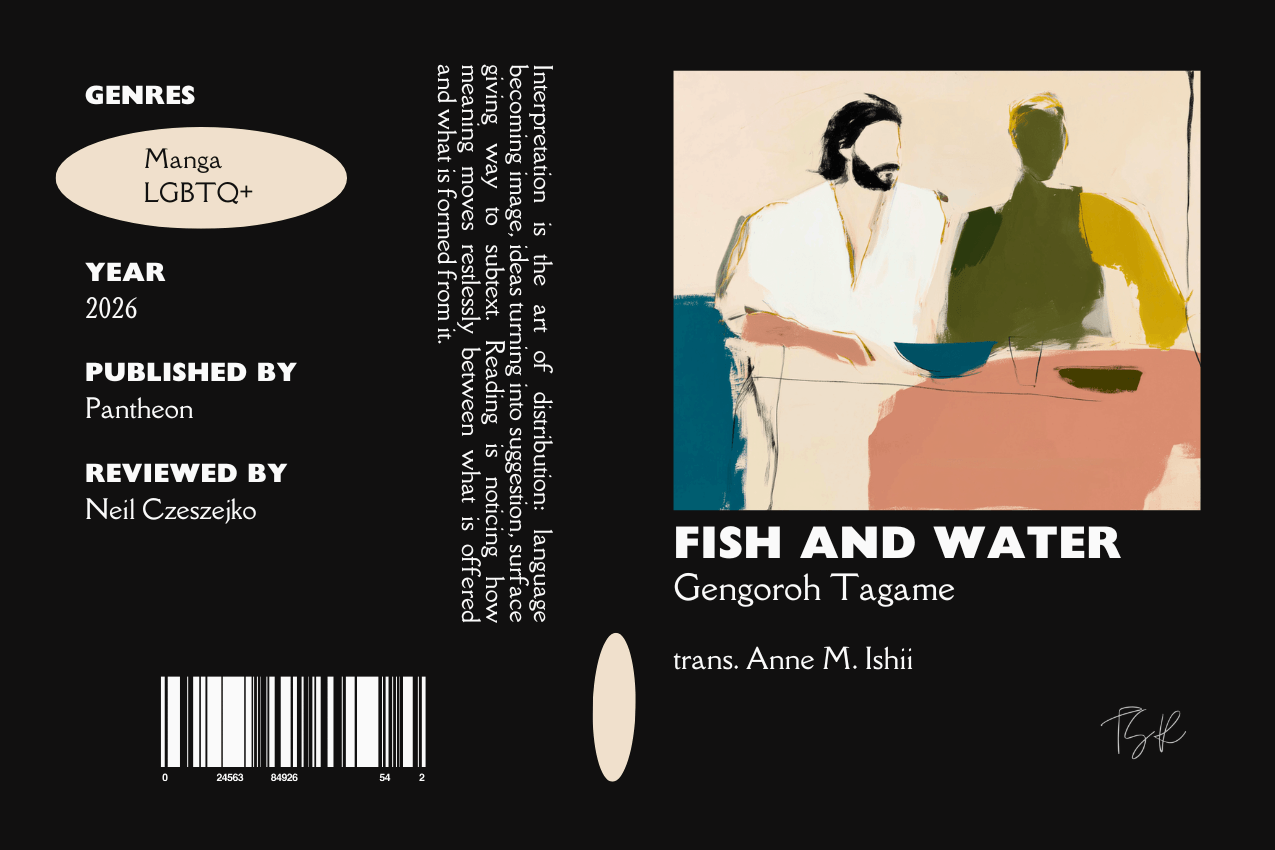
In Fish and Water, translated from the Japanese by Anne Ishii, a shared love of home-cooked meals draws two male friends together across a series of culinary encounters, all framed by the backdrop of COVID-19.
Guided by the rhythm of each other’s increasingly longed-for presence, Akira and Koji indulge in the quiet pleasure of their camaraderie, allowing time and space to settle more closely around them.
Line
薄(うす)い
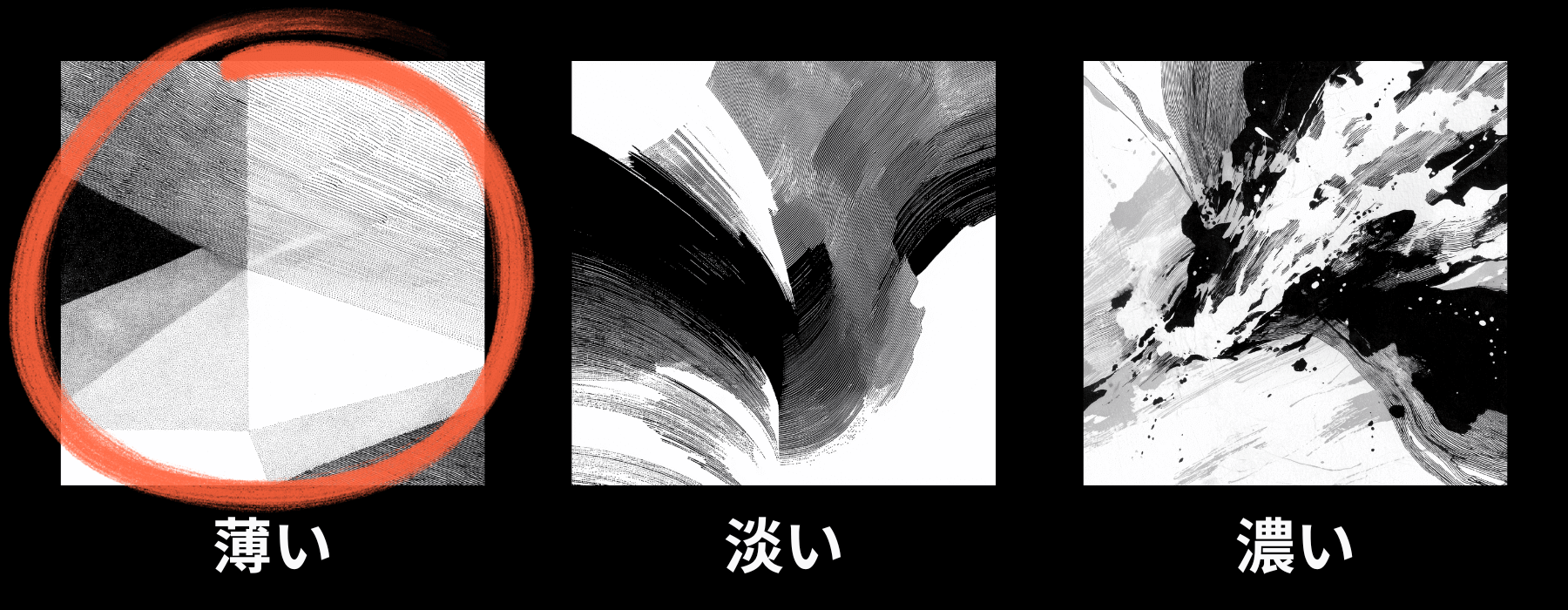
Our first brush with Tagame’s world comes in the form of clean, purposeful strokes. Even in their treatment of clothing, with bodies sharply traced, the lines carry a hardness that complements the artist’s distinctive focus on male musculature.
Space
濃(こ)い
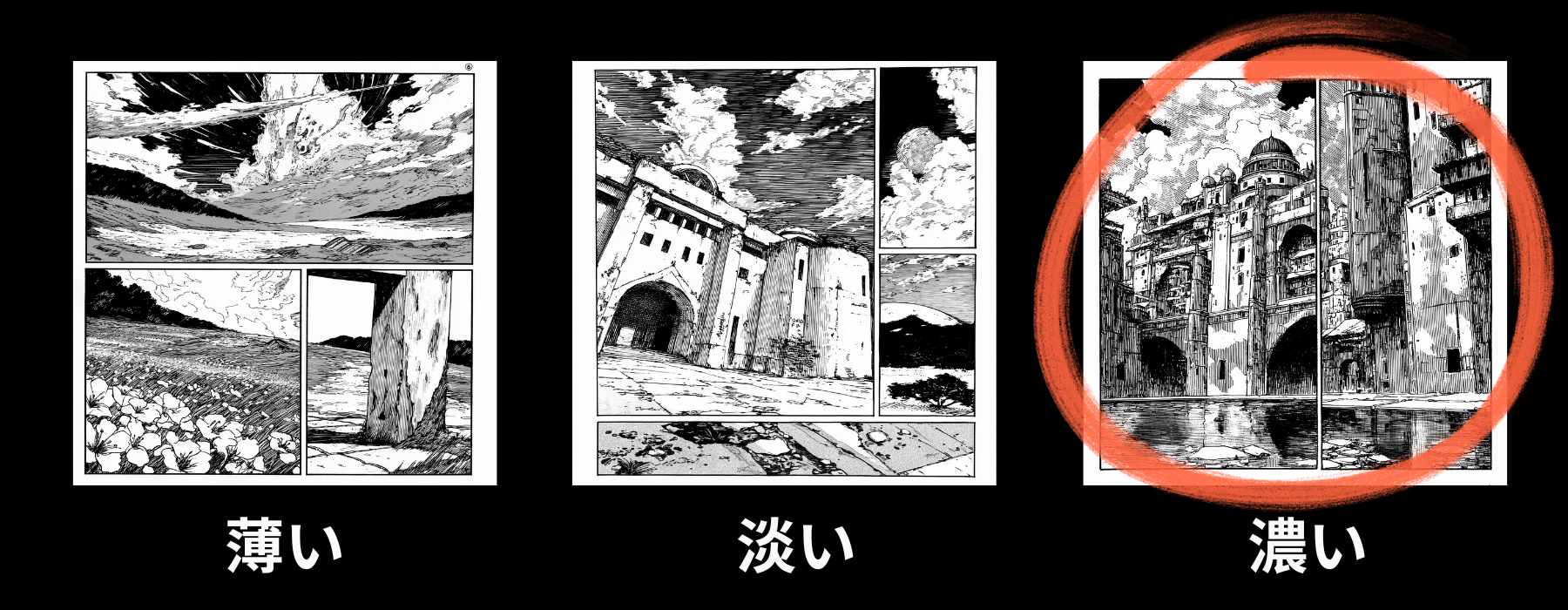
Their rigidity is offset by the panels’ white space, which offers ample breathing room. That said, in the grip of COVID-19, the apartment interior condenses the world to the stretches between the kitchen and living room.
This inevitably meshes the human form with its man-made constructs of comfort, echoing a once-felt claustrophobia.
View
薄(うす)い
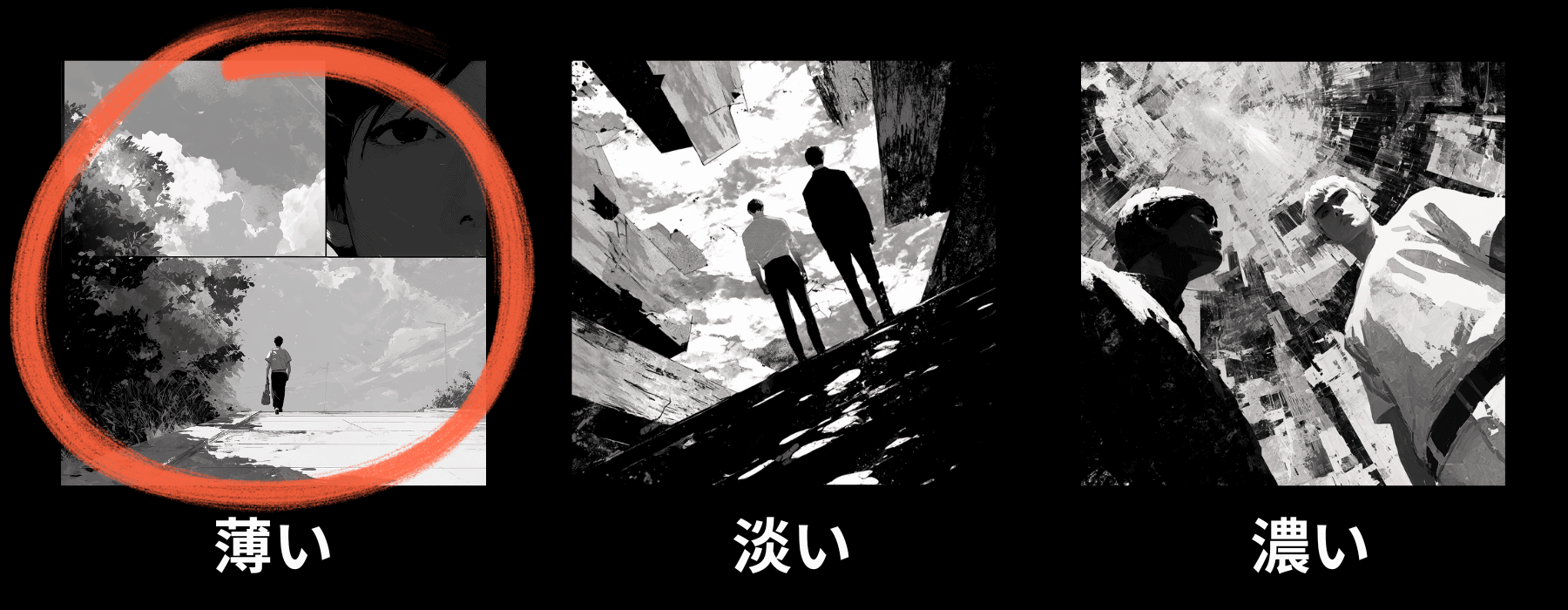
Despite a few dynamic angles that gesture toward moments of heightened emotional response, the panels are mostly composed of medium shots and close-ups, creating a lulling—and at times flattening—sense of continuity.
Narrative Immersion
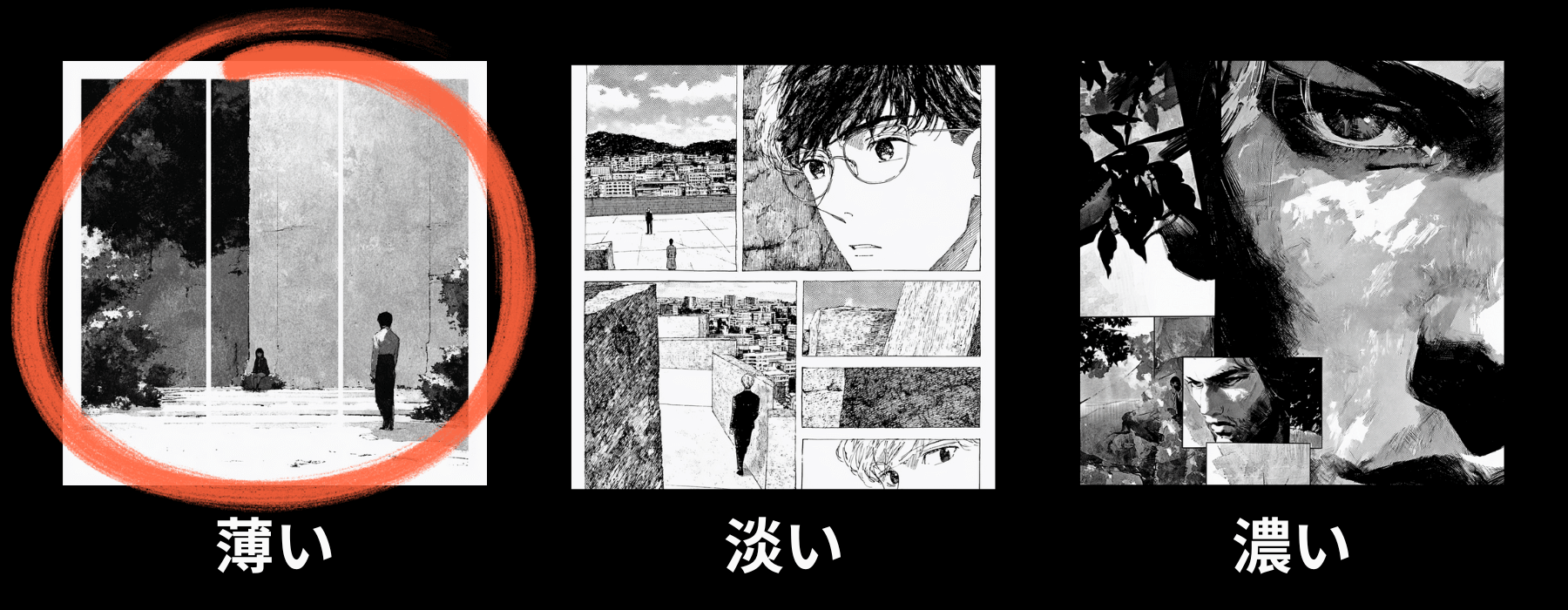
薄(うす)い
Six years on from the initial COVID-19-related lockdowns, the topic of coronavirus doesn’t jolt as much as it once did. That said, its lived reality still creates tension between a world brought to a standstill and one swept along by unsettled economic currents.
In that sense, the immersion remains uncomfortably deep. But with the time-honored ritual of cooking occupying nearly every frame, there’s not much in the way of plot—however understandable that constraint is.
In fact, since Fish and Water was conceived as both a one-off insert for a special “foodies” edition of a magazine and a story in which “very little actually takes place in the characters’ day-to-day lives,” as Tagame explains in the Afterword, its shallow-by-design narrative proves quietly effective.
Subtext
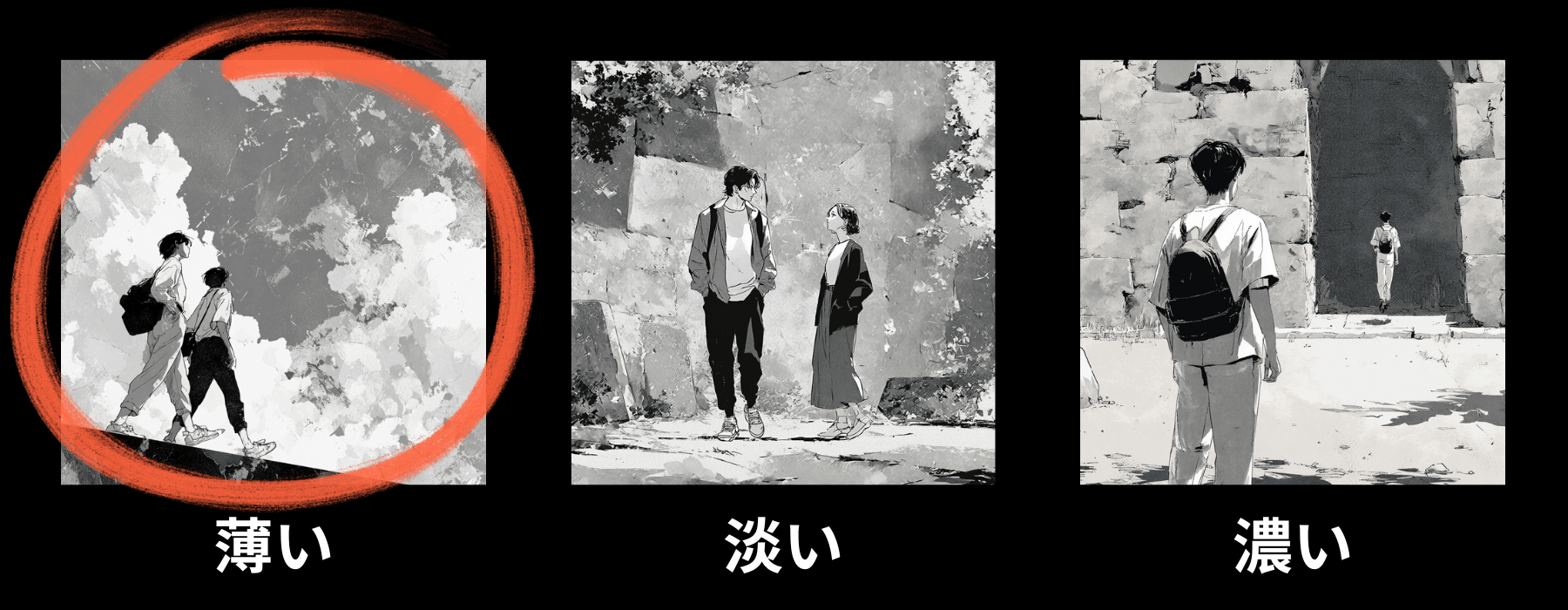
薄(うす)い
That same restraint extends into the story’s interpersonal register. It’s clear early on that the budding relationship between Akira and Koji serves as more of a decorative add-on than a structural beam.
And when the time comes to acknowledge the story’s romantic leaning, it’s done convivially and without much fanfare.
Again, this narrowed gaze doesn’t seem like a slant so much as an intended aspect of Tagame’s storytelling, with a literal declaration of the romance-to-come delivered via panel text and then left largely unexplored.
Emotional Depth
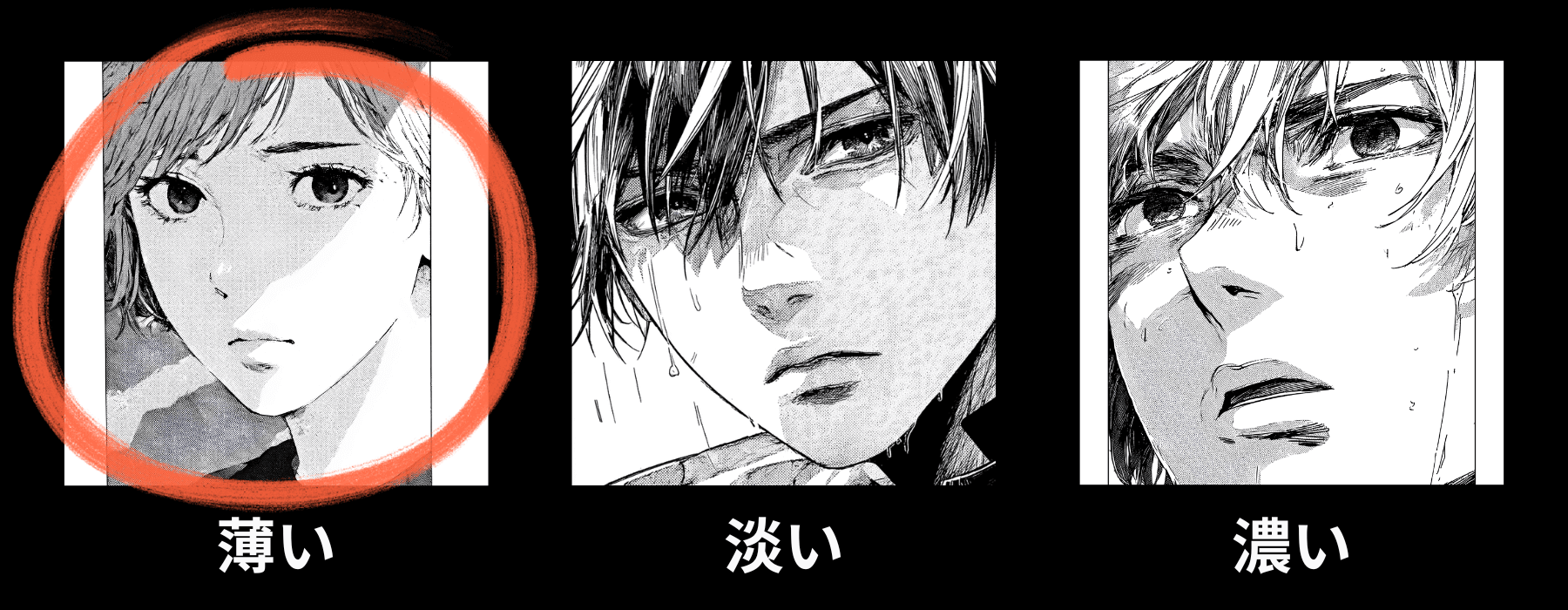
薄(うす)い
The narrative maintains a slow pace, with mundanity serving as a counterweight to all that overpowers the individual, from a global pandemic to the referenced war in Ukraine.
This paralyzing fatigue, though rising from great depths, nevertheless remains a surface-level obstruction, letting the simple pleasure of dining together carry one day into the next.
Color Saturation
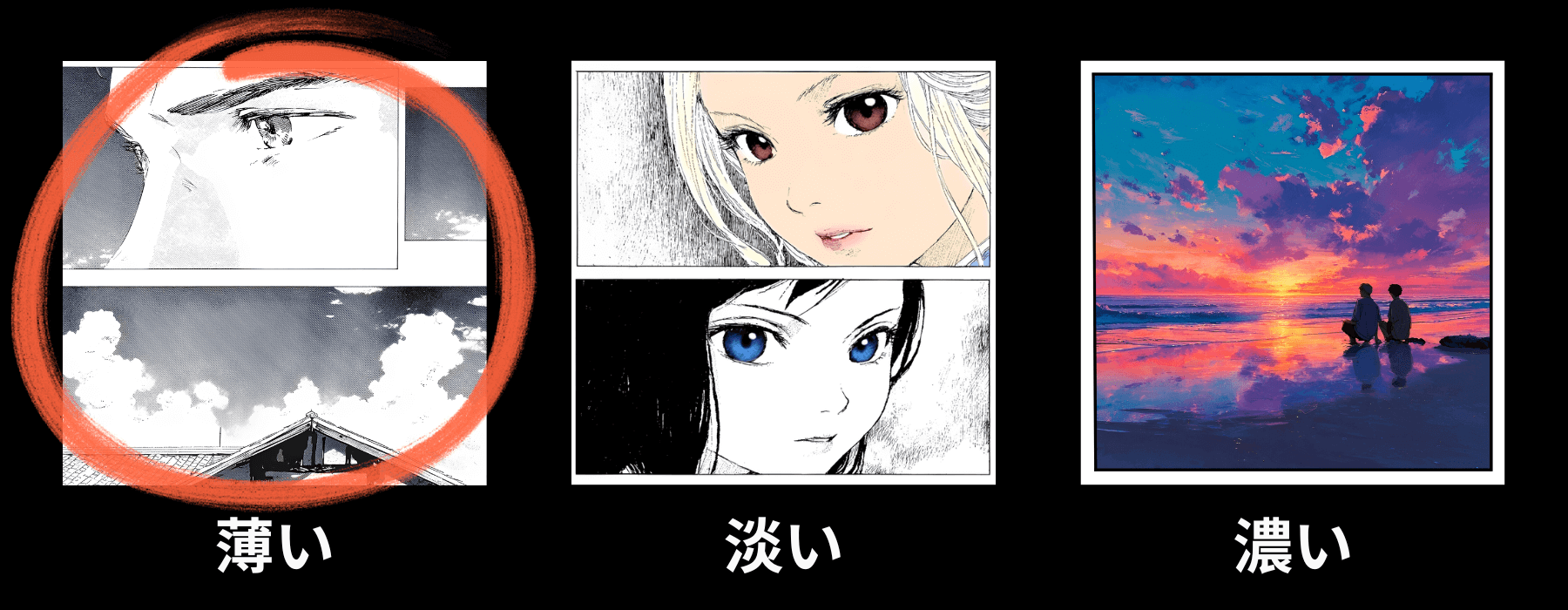
薄(うす)い
The panels are rendered in black and white, lending a pared-back simplicity to the spaces the men occupy. And through the bending of light to shade in food, dishes appear far more fully formed than the anxieties threatening the characters’ inner worlds.
Erotic Charge
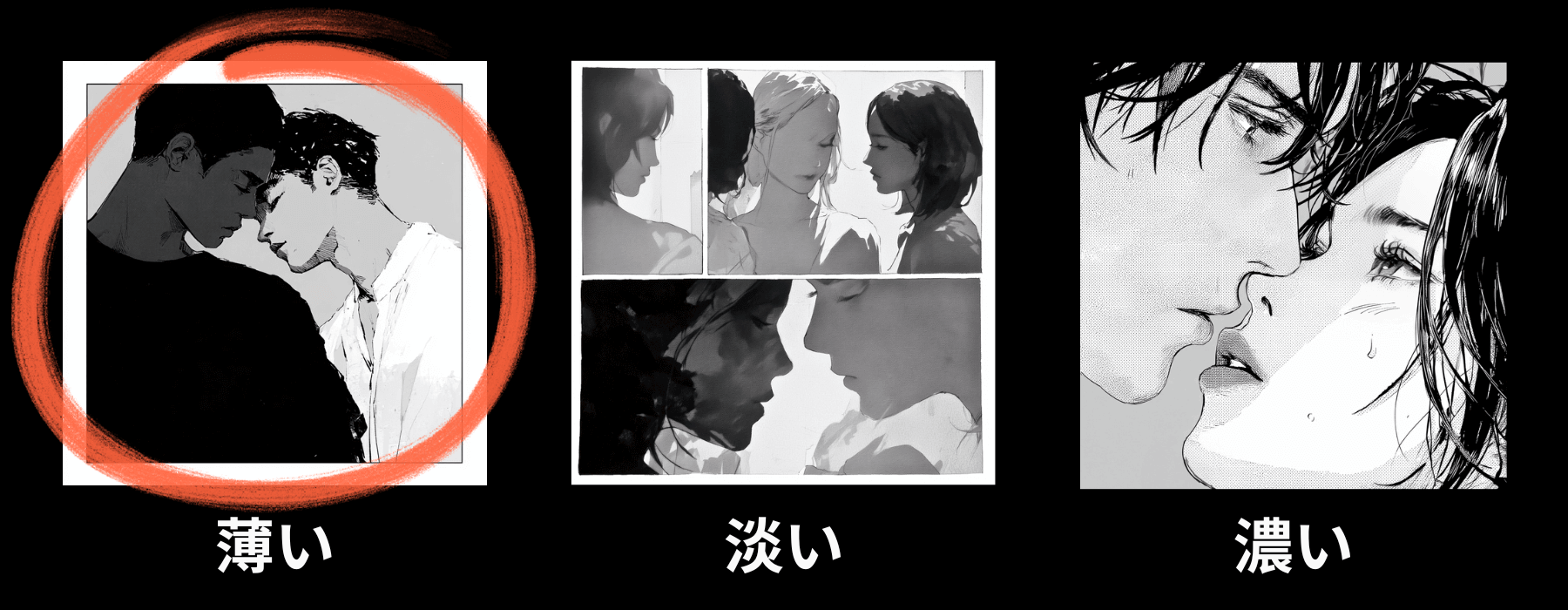
薄(うす)い
There’s also a curious clash between finely sculpted, partly nude physiques and a felt lack of desire. Instead of probing the skin’s immediate responses, Tagame hints at an appreciation born of deep-seated contentment, with romance never tipping into the urgent or overt.
Fish and Water sustains this quiet calibration of closeness throughout, keeping emotion grounded in presence and repetition—ultimately settling into an almost meditative state of inquiry.
An advance copy was provided by Pantheon.
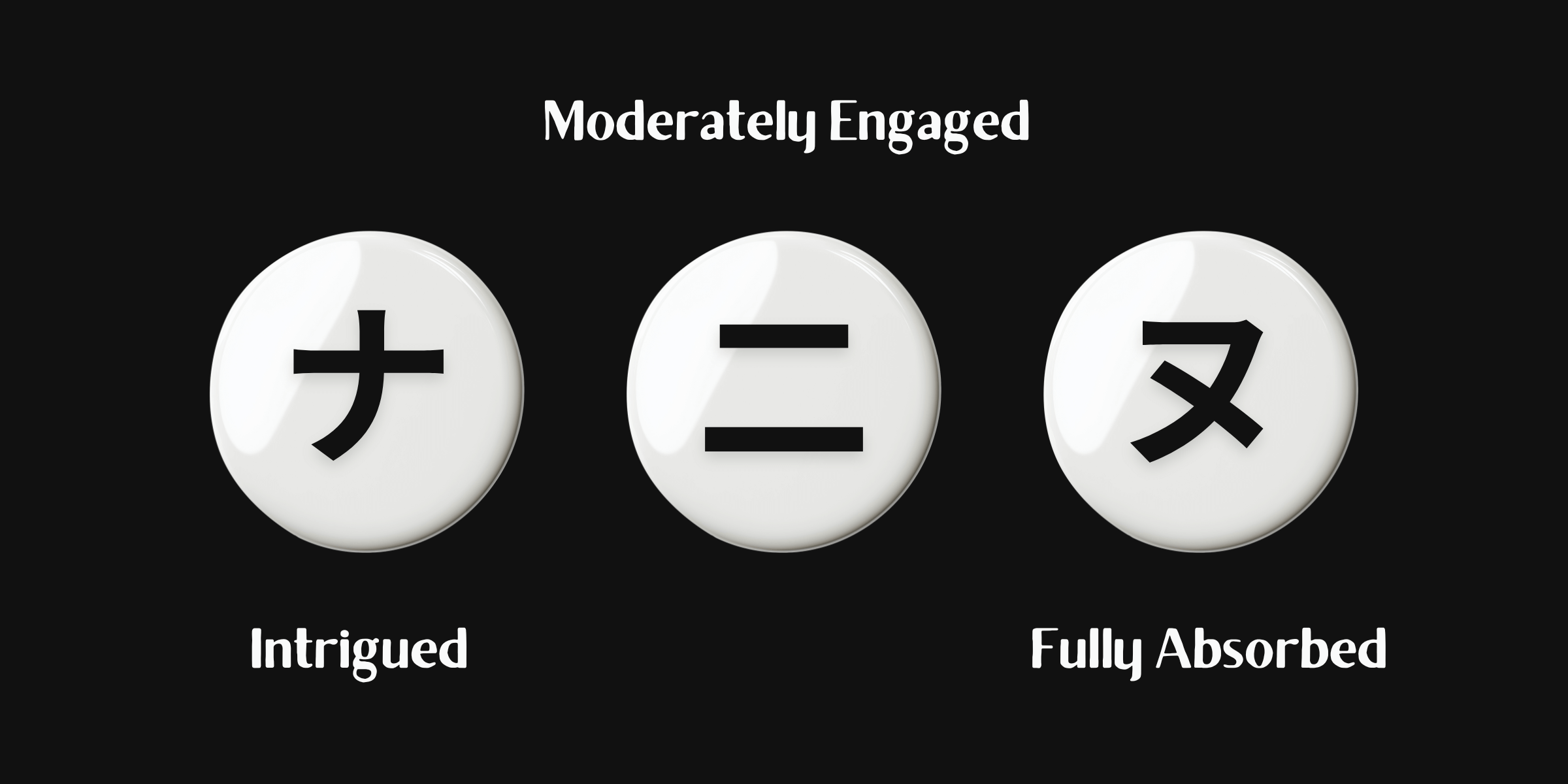
Path of Engagement
ナナナナ
Genres
Comics, Graphic Novels, Manga | LGBTQ+
Publication Date
June 23, 2026