

Ghosted: 'The Splintered Sun' by Tad Williams
The Morning After · Issue 03
Notes taken the morning after a first date with The Splintered Sun by Tad Williams.
PROFILE
As a kingdom fractures beneath a failing crown, Flann and his unlikely company carry its last hope through a landscape of rival claims, old wounds, and encroaching shadows. The path to the rightful heir soon proves to be guarded as much by enemies as by the burdens of a dying age.
FIRST READ
consumptive / propulsive
casts a narrative hook that maims one heart and another body
Flann, with his band of not-so-merry outlaws, strides onto the page to immediate applause
quickly emerges as a Robin Hood figure of sorts, with “Maid Mearna” and “Brother Edgar” woven into the throng of his disgruntled devotees
entirely self-aware, trusting us to intuit the joke
golden-maned, beautiful, and drawn to burly men, Flann is an openly queer leader whose comedic disposition conceals surprising strength
and yet, since his sexuality has little-to-no bearing on the storyline, the novel sits somewhat askew of the LGBTQ+ categorization attached to it
not a detriment to the story by any means, but a marketing choice that doesn’t quite reflect the narrative foundation
TABLE TALK
barbed / witty / affectionate
much teasing and japery
an economy of impressions: an offhand comment about the blot on one’s cheek or a contrasting adjective (e.g., “grudging interest”) is all that’s needed to seed a feeling
most of the personalities are daggerlike, with their paths through everyday conversation paring striking patterns onto the page
at the same time, the much-chewed-over events trail behind Vedra and Daley’s footsteps
because they’re fourteen and ten years old, respectively, the needle of most conversations bends toward the forbearance needed when addressing children
wit quickly gives way to accommodation
PACE
portending / redirecting / stalling
the opening is sweeping, with tension largely weathering the novel’s constant shifts of attention
a chapter will end at the edge of revelation, only for the next one to reorient us toward another’s far more muted present
with the central group occupying a secondary position within the great machinery of history, the overall impression is of being caught within its gears rather than holding the blueprint
an unusual but engaging vantage point for a fantasy tale
levity and propulsion stall as the margin for error narrows
assurances and plans are portioned out during frequent sit-downs, with a great deal of solemnity but little exhilaration
necessary, perhaps, but increasingly cumbersome
the loss of that initial impishness, especially on Flann’s part, leaves a noticeable hollow
still, intrigue and the occasional beastly attack keep the journey limping onward
TOUCH
earnest / constrained / fumbling
childhood itself becomes the novel’s chief destabilizer, with misdeeds born of innocence undoing even the best-laid intentions
an effective device for raising ethical stakes without reducing conflict to simple moral opposition
this is largely limited to the children, since the main antagonist is almost comically objectionable
ten-year-old Daley’s indifference to adults’ vague concerns and pursuits, bordering on disdain on more than one occasion, is amusing in itself
and as his relationship with Vedra grows more and more delicate, his resistance to the confines of childhood proves unexpectedly poignant
The Splintered Sun understands innocence as a brute force capable of intruding on carefully constructed worlds
and yet, conversations with the children inevitably carry a note of exasperation, perhaps mirroring the reader’s emerging mental state at this point
THE SLIP
circling / exhausting
far too reliant on explanation
characters regularly verbalize their plans, informing each other of one another’s movements—to the point where events aren’t shown but promulgated
feels slightly circuitous at first, then much like consuming one’s own tail
many such occasions involve attempts at appeasing fourteen-year-old Vedra’s soaring frustrations
this uncomfortably revives the feeling of being back in school, where protection so often overlaps with condescension
after a while, the pervading impression is that of the author battling his suspicion of the reader’s intelligence
at over 500 pages, a few omissions wouldn’t have gone amiss
signs of impending separation:
emphasis on plans and plotting, which inevitably lose their mystique as we become privy to everyone’s thoughts, including those of the adversaries
less and less time spent with the interpersonal dynamics whose devilish dexterity first drew us in
the tendency to take emotional swings from one chapter to the next increasingly cuts into the pacing, leaving us to face down extrinsic orations on lineages and political affiliations
the narrative is told from a place of deep familiarity with the world, but the reader—lacking the same orientation or care for its milieu—is left wallowing
CAUGHT THE EYE
a walled fortress surfacing as a clenched fist
WEATHERED MOOD
golden / increasingly remote
reminiscent of Tolkien’s The Lord of the Rings at times, particularly when some of the characters find themselves having to slink through enemy territory in guises
the prince—in need of being safely ferried to his self-exiled father, the king, and back without slipping on his half-brothers’ swords—occupies the narrative position of the coveted Ring of Power, with a whole medley of actors making up Frodo’s modest bulk
the burly cook Ivar, who follows Flann despite his consummated-but-presently-unrequited love, is an example of the novel’s growing imbalance between humor and hurt
repeatedly returns to the motif of Flann’s wandering eye, leaving Ivar’s wound to close a chapter in a bid for a benevolent laugh
after about the third time, it becomes clear that his personal anguish isn’t necessarily meant to build up to anything, reflecting the novel’s general unconcern for character maturation
PARTING POINT
page 315 of 528
An advance copy was provided by DAW.
THE NIGHT’S TURN
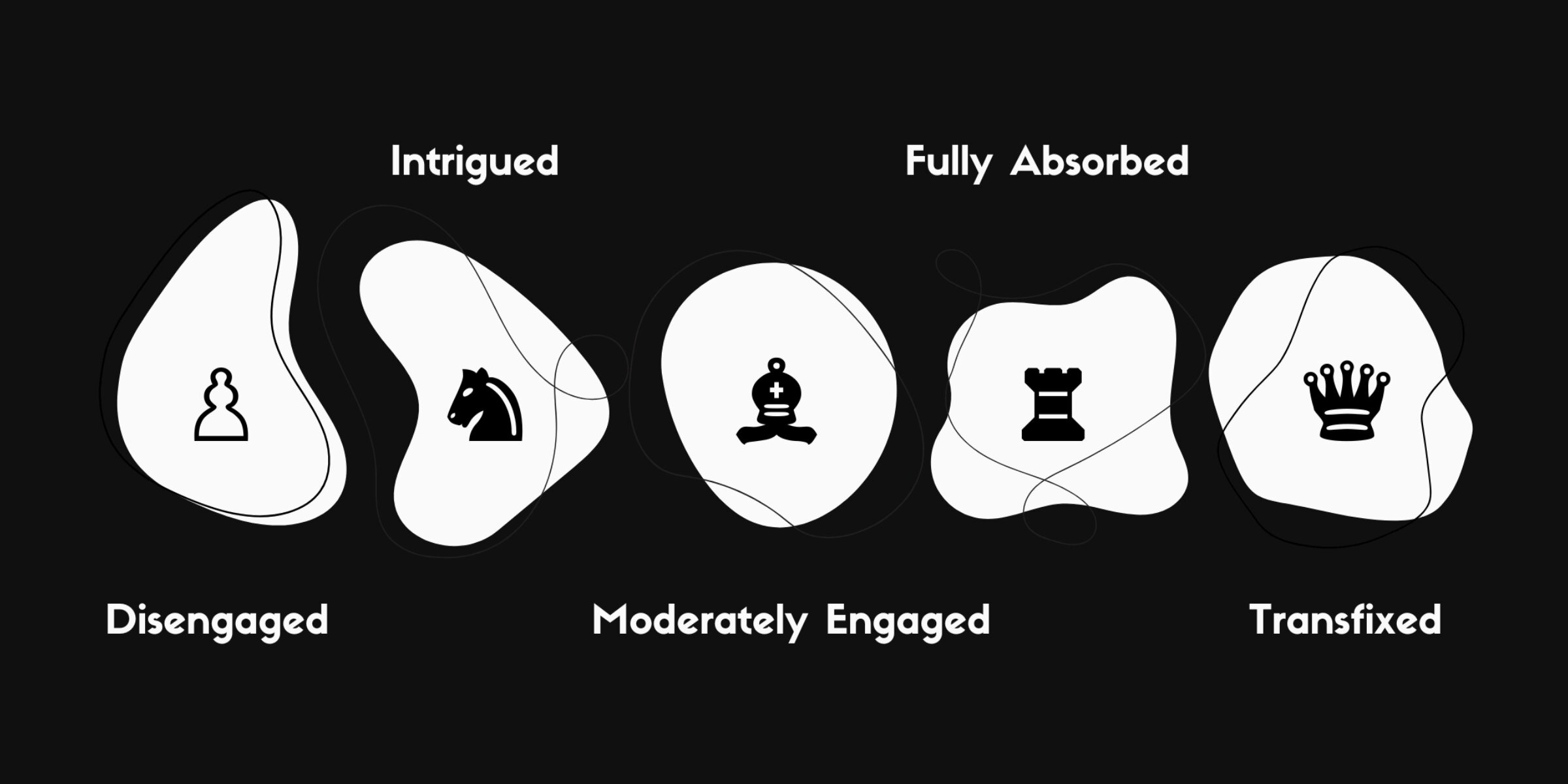
♜♜♞♙_
GENRE
Sci-Fi & Fantasy
PUBLICATION DATE
October 6, 2026